Archives
- 2026-10
- 2026-09
- 2026-08
- 2026-07
- 2026-06
- 2026-05
- 2026-04
- 2026-03
- 2026-02
- 2026-01
- 2025-12
- 2025-11
- 2025-10
- 2025-09
- 2025-03
- 2025-02
- 2025-01
- 2024-12
- 2024-11
- 2024-10
- 2024-09
- 2024-08
- 2024-07
- 2024-06
- 2024-05
- 2024-04
- 2024-03
- 2024-02
- 2024-01
- 2023-12
- 2023-11
- 2023-10
- 2023-09
- 2023-08
- 2023-07
- 2023-06
- 2023-05
- 2023-04
- 2023-03
- 2023-02
- 2023-01
- 2022-12
- 2022-11
- 2022-10
- 2022-09
- 2022-08
- 2022-07
- 2022-06
- 2022-05
- 2022-04
- 2022-03
- 2022-02
- 2022-01
-
br Material and methods br Results
2023-10-25
Material and methods Results Discussion Neurotransmitters pathways within vertebrates, including fish, are well conserved (Kreke and Dietrich, 2008, Valenti et al., 2012). Therefore psycopharmaceuticals that are design to act on these pathways in mammals, will possibly interact with the sam
-
To verify whether circulating APN
2023-10-25
To verify whether circulating APN could protect cognitive function during aging, we detected the alterations in circulating adipoenctin levels in aging rats. Our results suggested that circulating APN levels reduced with age. Kawasumi et al’s study results are consistent with ours. They concluded th
-
In fact serotonin is a major modulator
2023-10-24
In fact, serotonin is a major modulator of dopaminergic (DA) neuronal activity through the 5-HT2C receptor. Studies have shown that the selective 5-HT2C receptor agonist Ro60-0175 blocks the burst-firing of mesolimbic DA neurons, which project from the ventral tegmental area (VTA) to the nucleus acc
-
br Phosphorylation of P c
2023-10-24
Phosphorylation of P450c17 – Initial studies In addition to the molar ratio of POR to P450c17 and the allosteric action of cytochrome b5, a third factor that governs 17,20 lyase activity is the serine/threonine (Ser/Thr) phosphorylation of P450c17 itself. In a search for post-translational factor
-
Double immunofluorescence staining of Gas and Axl with
2023-10-24
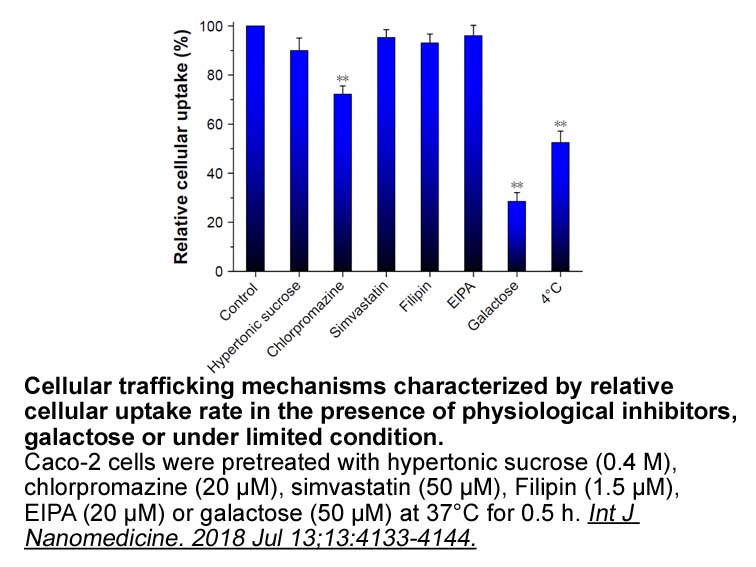
Double immunofluorescence staining of Gas6 and Axl with neuronal specific nuclear protein (NeuN), glial fibrillary acidic protein (GFAP), and ionized calcium-binding adaptor molecule 1 (Iba-1), demonstrated that Gas6 and Axl are expressed by neurons, astrocytes and microglia/macrophages (Fig. 2). In
-
btk inhibitor Because the V ATPase inhibitors that have been
2023-10-24
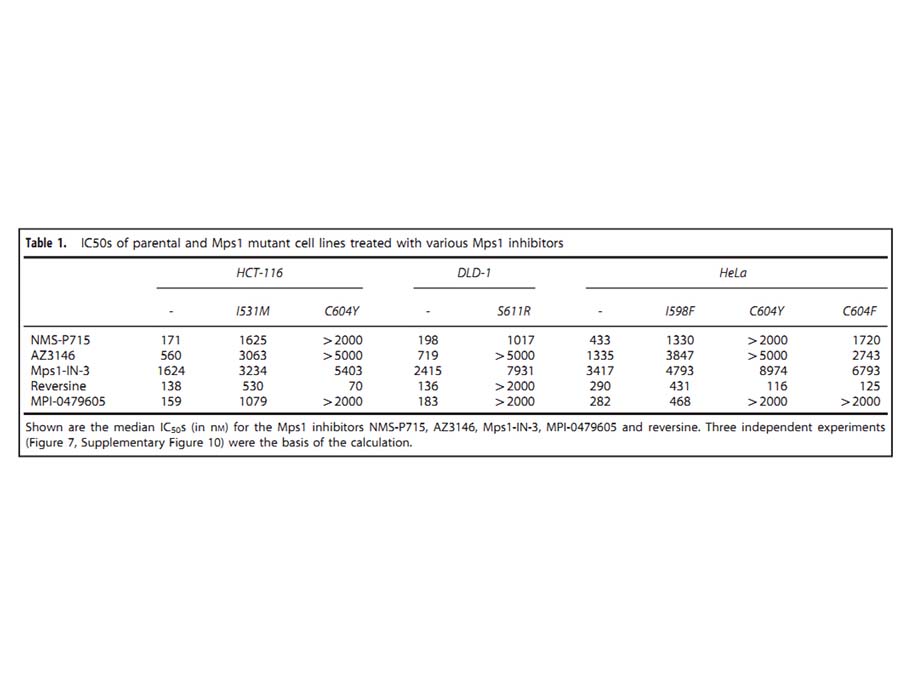
Because the V-ATPase inhibitors that have been employed in these studies (including bafilomycin and concanamycin), are membrane permeant, they inhibit all the V-ATPases in the cell. This is important since it is possible that intracellular V-ATPases, in addition to those present at the plasma membra
-
br Conflict of interest br Acknowledgments This work was
2023-10-24
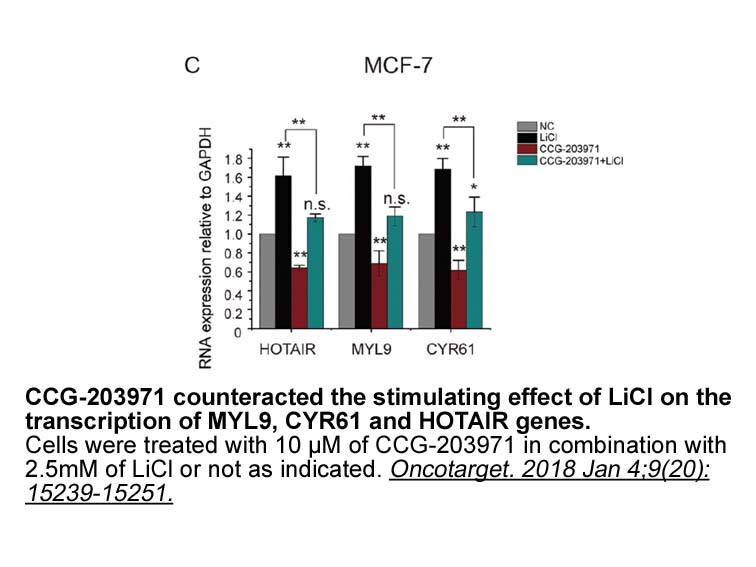
Conflict of interest Acknowledgments This work was financially supported by the Fund Project of Sichuan Provincial Department of Education (16ZB0053), the Scientific Research Foundation of Sichuan Agricultural University (No. 06021400) and the China Postdoctoral Science Foundation (No. 2015M58
-
Previous research showed that combination of chitosan
2023-10-24
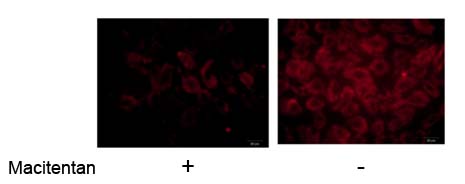
Previous research showed that combination of chitosan and (R,S)-Anatabine receptor nanocrystals (CNCs) can produce coating films with superior properties (Naseri, Mathew, Girandon, Fröhlich, & Oksman, 2015). CNCs are crystalline nanometer sized rod-like particles. It has been demonstrated that anti
-
br Antiangiogenic therapy in non
2023-10-24
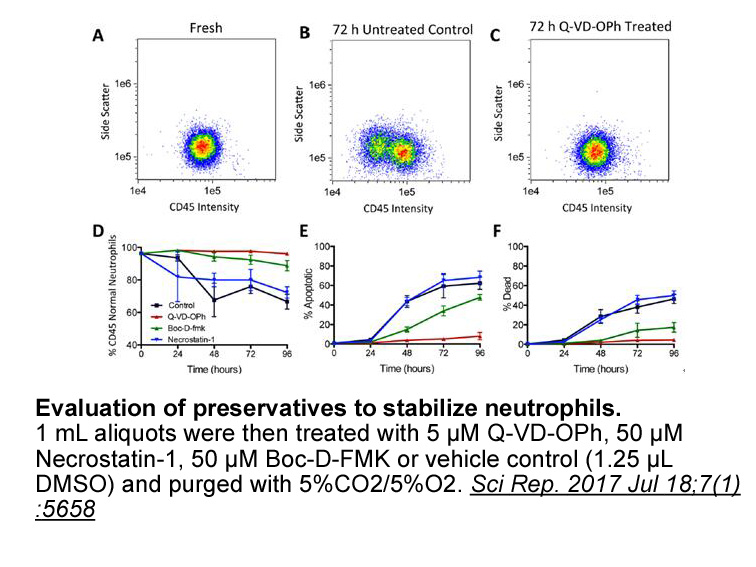
Antiangiogenic therapy in non-small cell lung cancer (NSCLC) Antiangiogenic targeted therapy is an area of active research in which numerous agents have been studied and have been shown to be effective for many tumor types including NSCLC. Angiogenesis is frequently upregulated in malignant solid
-
Our previous study showed that TRIM could
2023-10-24
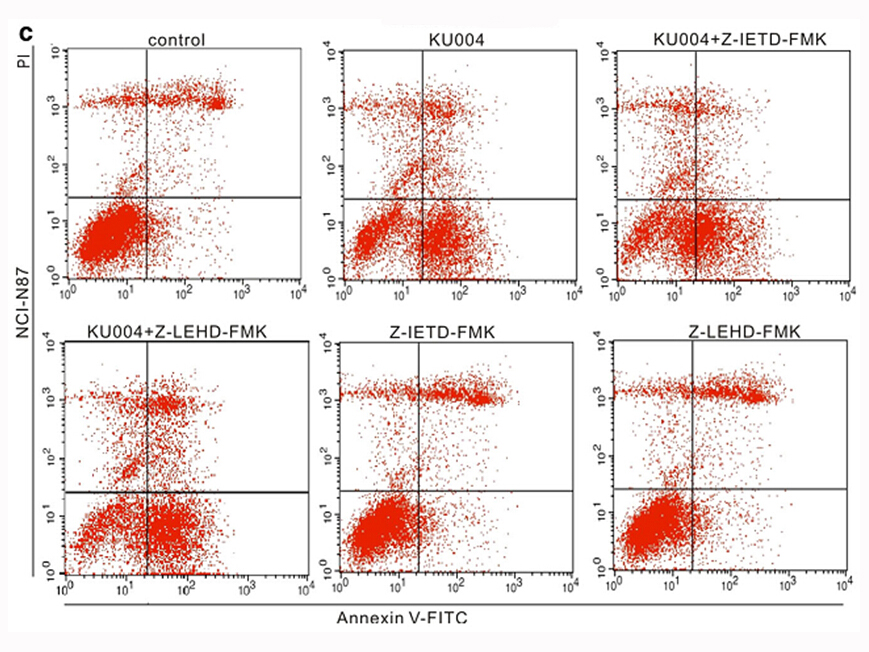
Our previous study showed that TRIM31 could target TSC1-TSC2 complex and contributed to the clinical cancer progression [6]. In this study, we showed that TRIM31 could directly target p53 for ubiquitous degradation and further mediated anoikis-resistance of HCC cells. To further clarify the role of
-
br Methods br Results br Discussion First the cells
2023-10-24
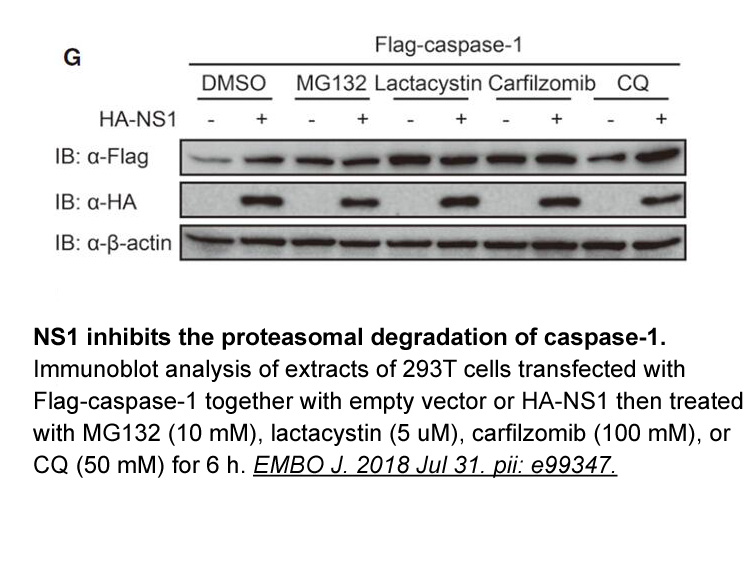
Methods Results Discussion First, the Tedizolid HCl receptor isolated from non-PD TA tissue and PD plaque tissue were characterized. The results showed that both cell groups were positive for vimentin and negative for desmin suggesting that these cells were fibroblasts. It was also observed
-
The total IgG concentration decreased from a mean
2023-10-23
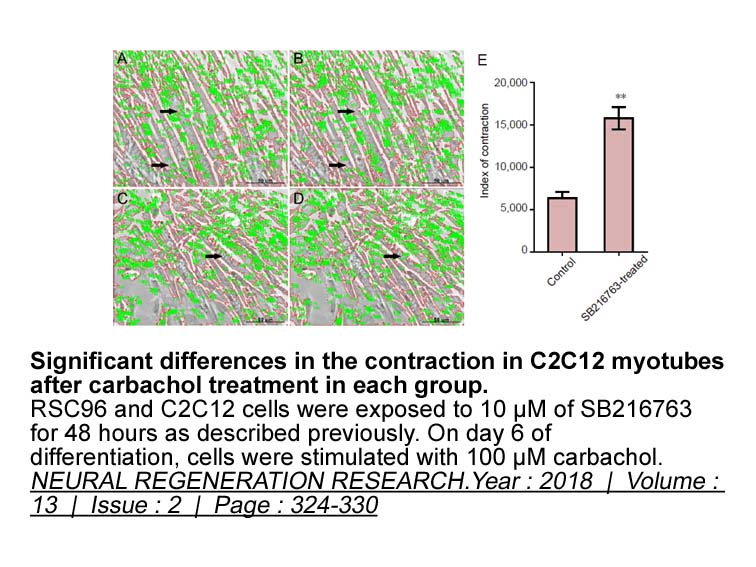
The total IgG concentration decreased from a mean of 997 mg/100 ml before treatment to a mean of 696 after treatment in the MuSK+MG patients, and from a mean of 1736 mg/100 ml to a mean of 802 mg/100 ml in the AChR+MG patients (normal values 723–1685 mg/100 ml). This decrement was also statistically
-
The adult muscle type acetylcholine receptor
2023-10-23
The adult muscle-type Palifosfamide receptor (AChR), the exemplar pLGIC, is a heteropentamer comprising two α subunits, and one each of the β, δ, and ɛ subunits (Sine, 2012). These five subunits come together in a counterclockwise α-ɛ-α-δ-β arrangement (Figure 1A). Binding of acetylcholine to the A
-
An alternative to the agonist or antagonist potential
2023-10-23

An alternative to the agonist or antagonist potential in drug discovery is the positive allosteric modulator (PAM) approach, which can augment the normal processes of neurotransmission as opposed to directly replacing or antagonizing them. PAMs are thought to bind to sites that are distinct from the
-
br Conclusion The HT receptor family is
2023-10-23
Conclusion The 5-HT receptor family is complex, and one may ask as does Bryan Roth et al. [205] whether this is useless Regorafenib hydrochloride receptor (i.e. too much redundancy) or an embarrassment of the riches (i.e. many potential targets to choose from to affect normal or pathological func
8613 records 297/575 page Previous Next First page 上5页 296297298299300 下5页 Last page