Archives
- 2026-08
- 2026-07
- 2026-06
- 2026-05
- 2026-04
- 2026-03
- 2026-02
- 2026-01
- 2025-12
- 2025-11
- 2025-10
- 2025-09
- 2025-03
- 2025-02
- 2025-01
- 2024-12
- 2024-11
- 2024-10
- 2024-09
- 2024-08
- 2024-07
- 2024-06
- 2024-05
- 2024-04
- 2024-03
- 2024-02
- 2024-01
- 2023-12
- 2023-11
- 2023-10
- 2023-09
- 2023-08
- 2023-07
- 2023-06
- 2023-05
- 2023-04
- 2023-03
- 2023-02
- 2023-01
- 2022-12
- 2022-11
- 2022-10
- 2022-09
- 2022-08
- 2022-07
- 2022-06
- 2022-05
- 2022-04
- 2022-03
- 2022-02
- 2022-01
-
In addition to their functional activation of GPR A
2022-01-19
In addition to their functional activation of GPR109A, compounds of the pyrazolopyrimidine class also enhanced the binding of nicotinic methysergide to the receptor. For instance, increased the binding of H-nicotinic acid to the receptor (black curve) in a concentration-dependent manner, whereas u
-
Disrupting the dialog between microbiota and
2022-01-19
Disrupting the dialog between microbiota and the host, especially at the level of mucosal immunology, is expected to have profound effects on disease development. By using the AOM+DSS model of colitis-associated CRC, Singh et al. (2014) showed that development of inflammation and CRC are exacerbated
-
mlck receptor Selection of the month br Fibrosis br Liver
2022-01-19
Selection of the month Fibrosis Liver protection device Non-alcoholic steatohepatitis Genetic metabolic liver disease Hepatitis C virus (HCV) infection Hepatitis B virus (HBV) infection Cirrhosis Regeneration Introduction Upon catalysis by hepatic and bacterial enzymes, c
-
MRS 1220 mg Recently several dual GLP GIP receptor agonists
2022-01-19
Recently, several dual GLP-1/GIP receptor agonists have been developed as a treatment of type II diabetes. These peptides can activate both the GLP-1 and the GIP receptor. Such dual receptor agonists are superior compared to single GLP-1 analogues such as liraglutide (Finan et al., 2013). Previously
-
br Introduction Connexins are transmembrane proteins that al
2022-01-19

Introduction Connexins are transmembrane proteins that allow the exchange of molecules with the extracellular environment or adjacent leptomycin b australia via channels in the plasma membrane. Intercellular communication and exchange of biologically active molecules, salts, and nutrients to the
-
br Acknowledgments The research leading to these results was
2022-01-19
Acknowledgments The research leading to these results was funded by European Community’s Seventh Framework Programme (FP7/2007-2013) under grant agreement No. 222719 – LIFECYCLE and by the Foundation for Science and Technology of Portugal (FCT), through projects PTDC/MAR-BIO/3890/2012 and PEst-C/
-
Type II diabetes is characterized
2022-01-19
Type II diabetes is characterized by an inability to maintain glucose homeostasis due to insulin desensitization and/or insufficient insulin secretion. GPR40, also known as free fatty Atropine receptor 1 (FFAR1), is a member of the G-protein-coupled lipid-activated family of receptors and is primar
-
The results of our analysis of Fas alleles Fas
2022-01-19
The results of our analysis of Fas alleles, Fas 670 A>G, FasL alleles, and FasL IVS2nt 124 A>G for cases and controls are shown in Table 2. For Fas 670, we found statistically significant differences between the two groups regarding the AA vx680 (P=0.040) and GG/AG (P=0.040) as well as the A and G
-
The ETA receptor has a higher affinity for endothelin
2022-01-19
The ETA receptor has a higher affinity for endothelin-1 than the two other agonists, with an affinity order of endothelin-1>endothelin-2>endothelin-3, while the ETB receptor exhibits similar affinities for all three isopeptides (Arai et al., 1990b, Sakurai et al., 1990). Earlier studies of the selec
-
To verify DNA glycosylase AP lyase activity we
2022-01-18
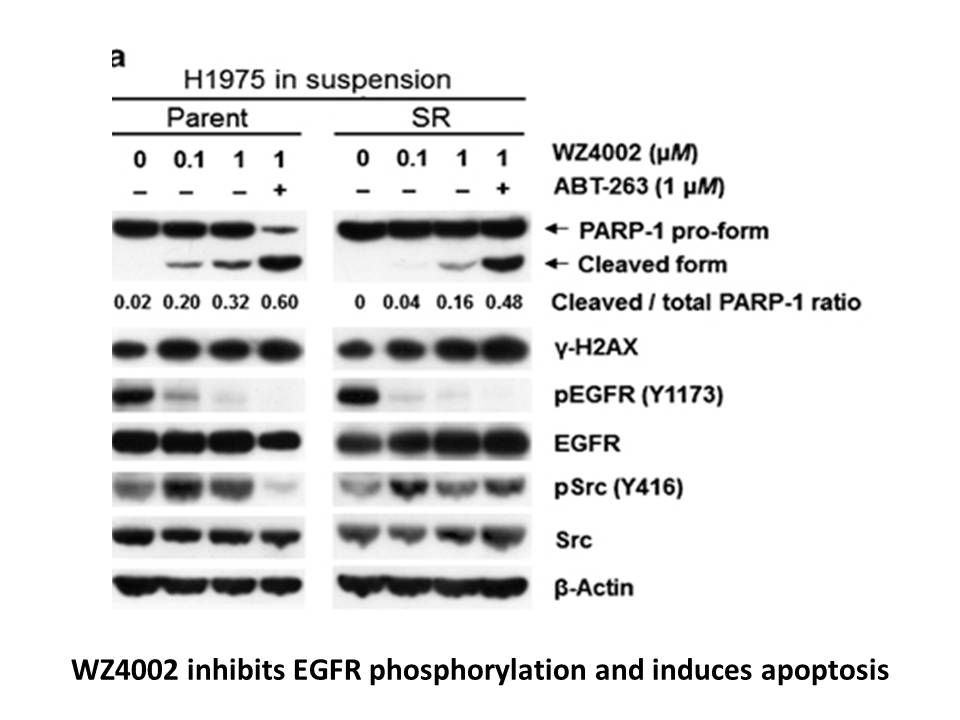
To verify DNA glycosylase/AP lyase activity we have employed a simple and efficient method to investigate based on fluorescein-labeled duplex oligonucleotides read on an automated sequencer (Allgayer et al., 2013, Lopes et al., 2007, Lopes et al., 2008). This approach using purified CpMutY proteins
-
Ginger derived glycoproteins contain a variety of functional
2022-01-18
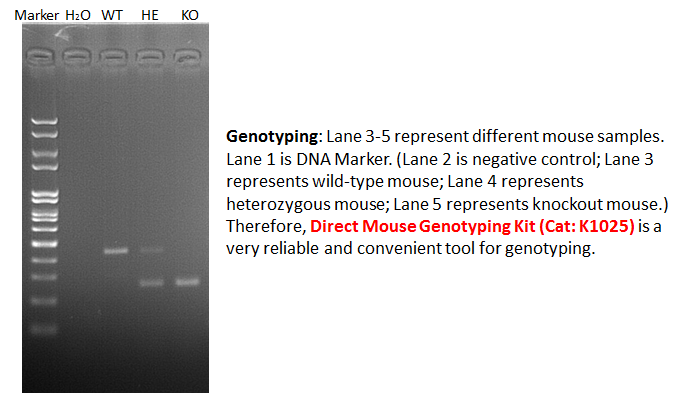
Ginger-derived MRT68921 contain a variety of functional components, including specific phenolic compounds, purine compounds, and bioactive polysaccharides. Moreover, glycoproteins belong to the glycoconjugates, which combine some of the properties of polysaccharides and proteins. It has been reporte
-
It was previously proposed that glucagon
2022-01-18

It was previously proposed that glucagon acts in the liver, in which a signal is produced and relayed to the SR 59230A hydrochloride via vagal nerves [8], [36], [37]. The concept that the liver is the primary target site was supported by the studies reporting that the glucagon receptor is localized
-
More recently NMR techniques have been used to
2022-01-18
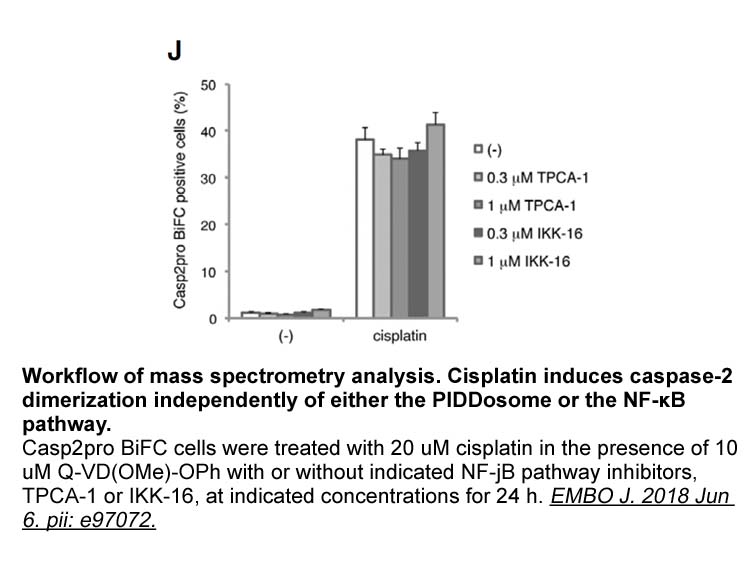
More recently, NMR techniques have been used to monitor K+ () fluxes in isolated rat hearts. These reveal an increased rate of passive efflux of from Langendorff-perfused hearts at 20°C compared to 36°C or 10°C (Gruwel, Kuzio, Xiang, Deslauriers, & Kupriyanov, 1998). Similar experiments assessed th
-
More recently NMR techniques have been used to
2022-01-18
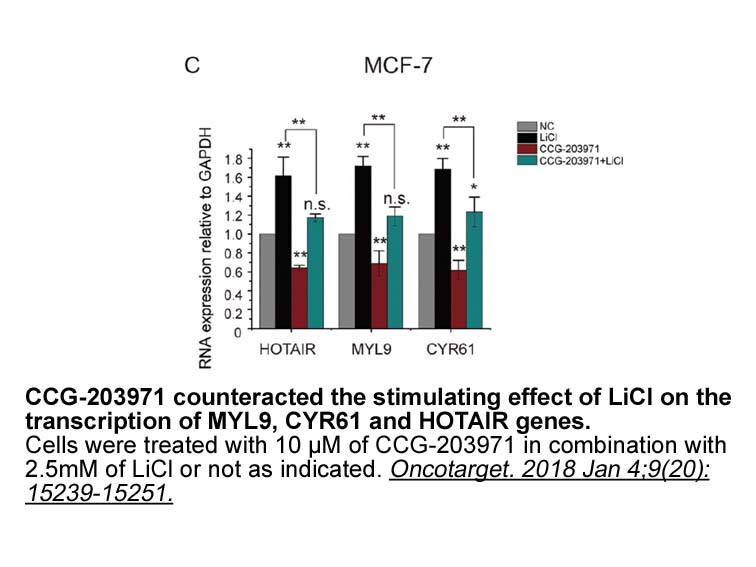
More recently, NMR techniques have been used to monitor K+ () fluxes in isolated rat hearts. These reveal an increased rate of passive efflux of from Langendorff-perfused hearts at 20°C compared to 36°C or 10°C (Gruwel, Kuzio, Xiang, Deslauriers, & Kupriyanov, 1998). Similar experiments assessed the
-
Based on the collective experience
2022-01-18
Based on the collective experience to date, it is likely that a much more comprehensive assessment of GSI selectivity for inhibition of multiple substrates, as well as biomarkers to track inhibition of non-APP substrates in vivo will be needed to support future efforts to develop substrate selective
8530 records 559/569 page Previous Next First page 上5页 556557558559560 下5页 Last page