Archives
- 2026-08
- 2026-07
- 2026-06
- 2026-05
- 2026-04
- 2026-03
- 2026-02
- 2026-01
- 2025-12
- 2025-11
- 2025-10
- 2025-09
- 2025-03
- 2025-02
- 2025-01
- 2024-12
- 2024-11
- 2024-10
- 2024-09
- 2024-08
- 2024-07
- 2024-06
- 2024-05
- 2024-04
- 2024-03
- 2024-02
- 2024-01
- 2023-12
- 2023-11
- 2023-10
- 2023-09
- 2023-08
- 2023-07
- 2023-06
- 2023-05
- 2023-04
- 2023-03
- 2023-02
- 2023-01
- 2022-12
- 2022-11
- 2022-10
- 2022-09
- 2022-08
- 2022-07
- 2022-06
- 2022-05
- 2022-04
- 2022-03
- 2022-02
- 2022-01
-
The inhibition of ACLY induces an anticancer
2023-09-04
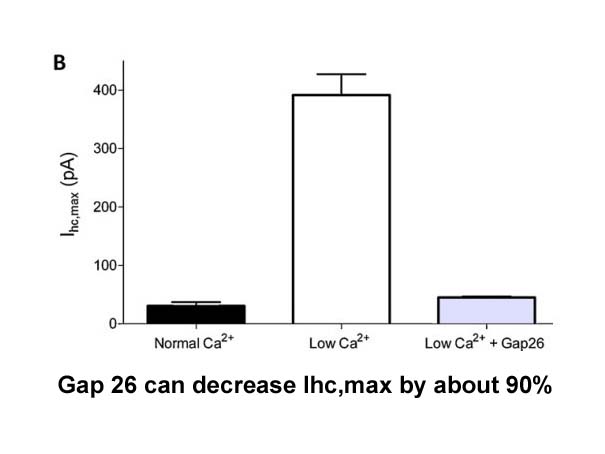
The inhibition of ACLY induces an anticancer effect that has been reported to be involved in mitochondrial reactive oxygen species (ROS) generation [14], [16], dual blockade of mitogen-activated protein kinase and phosphatidylinositol-3-kinase/AKT pathways [11], and the glycolytic phenotype of tumo
-
br Acknowledgements We would like to thank Dr Thomas Blanpie
2023-09-04
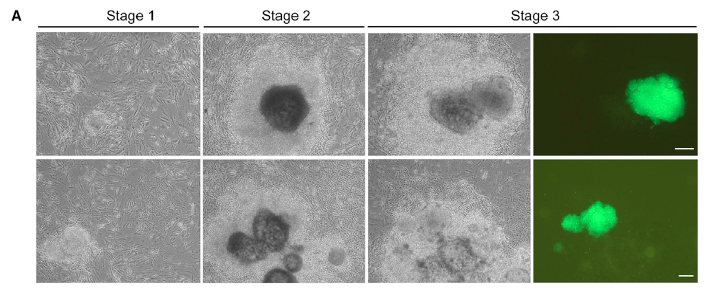
Acknowledgements We would like to thank Dr. Thomas Blanpied, Sai Sachin Divakaruni, Dr. Helmut Kessels, Feline Lindhout, Dieudonnée van de Willige, and all members of the MacGillavry lab for discussions and critical reading of the manuscript. This work was supported by NWO (ALW-VENI 863.13.020, A
-
br Abbreviations br Acknowledgements This work was supported
2023-09-04
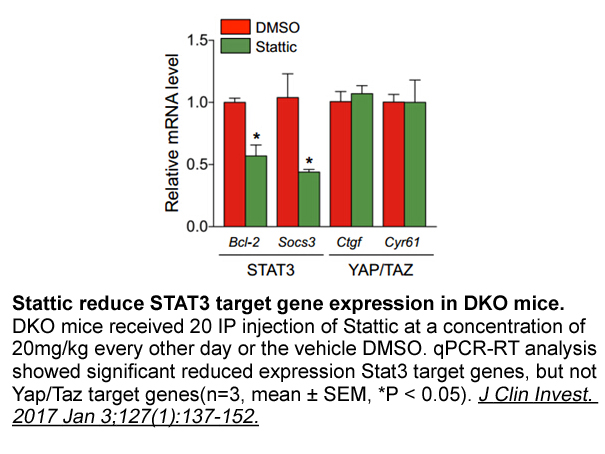
Abbreviations Acknowledgements This work was supported by grants from the National Institutes of Health (R01GM114168) and the Office of Naval Research (N000141210773) awarded to J.C·H and National Cancer Institute (5P30CA16059) Cancer Center Support Grant in support of Massey Cancer Center Pro
-
br Results We set out
2023-09-04
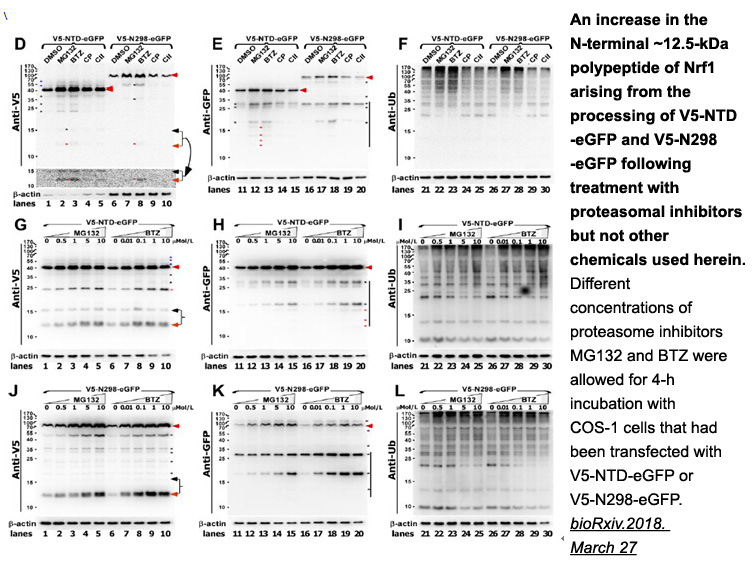
Results We set out to identify in an unbiased manner a set of candidate “scaling factors” that might participate in transcription-dependent synaptic scaling up. The ex vivo slice and profiling studies were conducted on HsCt5 mice (described later) at postnatal day (P) 14 to P15, an age at which s
-
br Perspectives br Acknowledgments This investigation was su
2023-09-04
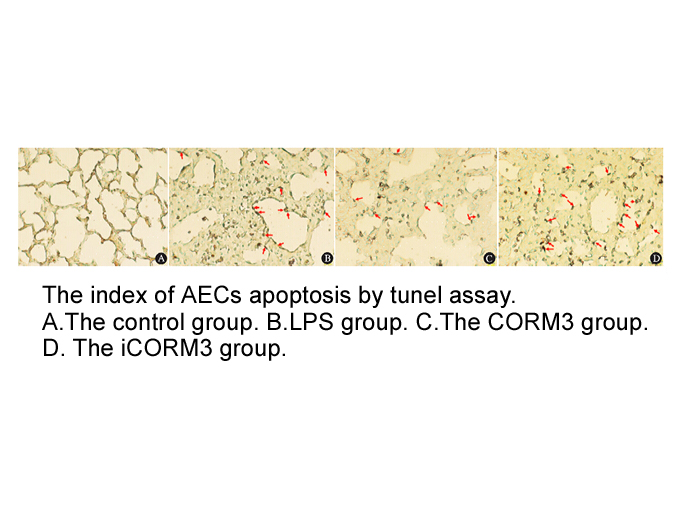
Perspectives Acknowledgments This investigation was supported by a Research Grant 2010/01385-5 from FAPESP (Sao Paulo Research Foundation, Brazil). P.F.S. was recipient of a CNPq (National Council for Scientific and Technological Development, Brazil) productivity grant. R.F.A. was recipient of
-
Pathogen infected macrophages release exosomes associating w
2023-09-04
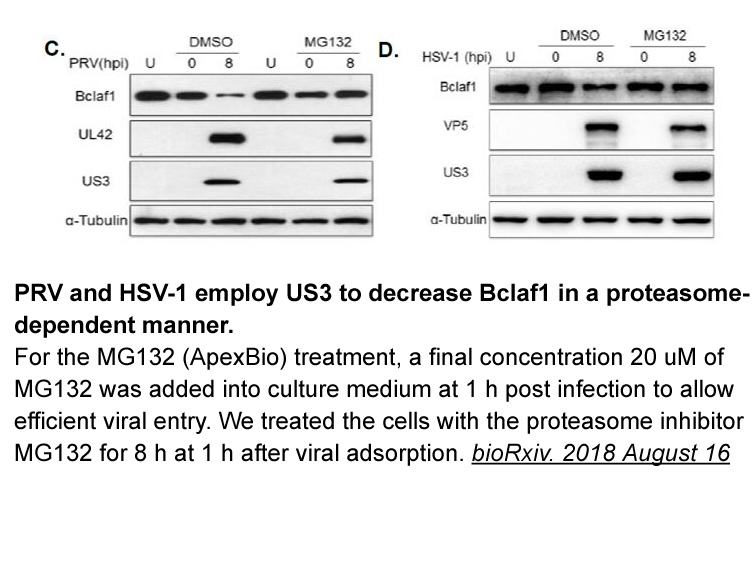
Pathogen-infected glycine transporter release exosomes associating with pathogen-associated molecular patterns (PAMPs) such as LPS and lipoprotein derived from microorganisms [29,30]. Exosomes released by bacterially infected, but not uninfected, macrophages stimulate macrophages to release inflamma
-
br Possible complementarity of trimming pathways Determining
2023-09-04

Possible complementarity of trimming pathways Determining the exact pathway for the generation or destruction of MHCI peptide ligands by ERAP1 is important for our understanding of the shaping of the immunopeptidome and for designing inhibitors that can manipulate it. It is also possible however
-
Involvement of Adiponectin in the regulation of
2023-09-04
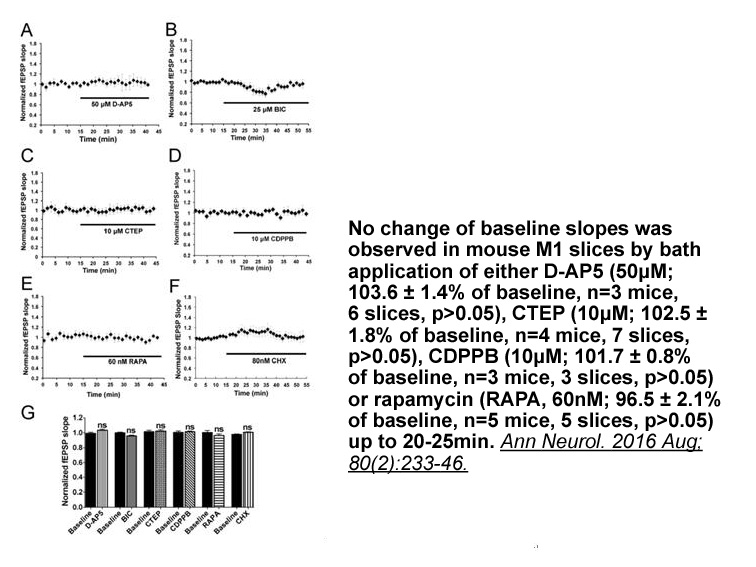
Involvement of Adiponectin in the regulation of imatinib resistance in human CML cells has not been hitherto examined. Therefore, in this study, we first established imatinib-resistant K562 CML cells, and then evaluated the effect of Adiponectin in reversing imatinib resistance. The data presented h
-
In recent years there have been
2023-09-04
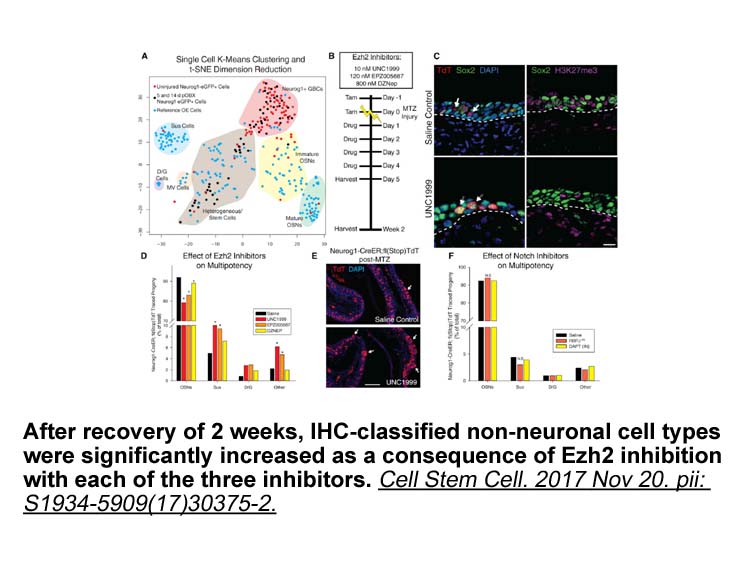
In recent years, there have been further significant developments that enhance an understanding of the role of adenosine in nociception. Thus, novel methods of recruiting adenosine A1Rs have been developed, and the role of adenosine A2A- and A3Rs in nociception has been further elaborated. Furthermo
-
Mechanisms implicated in antinociception by A R
2023-09-04
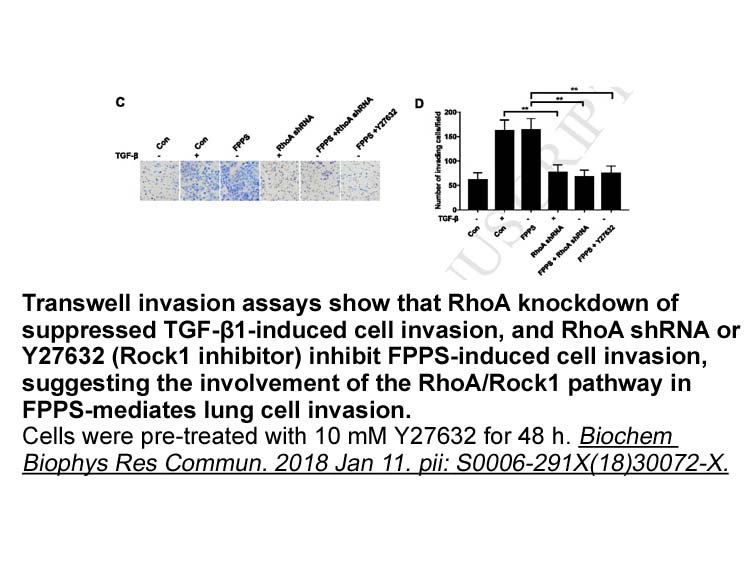
Mechanisms implicated in antinociception by A3R agonists in neuropathic pain are summarized in Box 3. Cellular transduction mechanisms for A3Rs include inhibition of cyclic AMP, PKA via Gαi, interactions with PLC/IP3/DAG and signaling via Gαi and Gαq, and interactions with PI3K/MEK/ERK via βγ subuni
-
C-type natriuretic peptide (1-22) (human, rat, swine) Using
2023-09-04
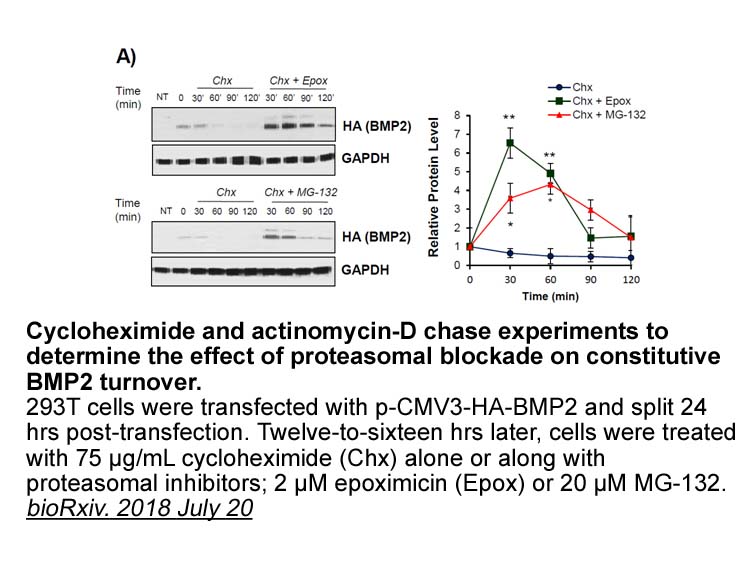
Using constant potential amperometry and electrochemical enzyme-based biosensors selective for choline—and, therefore, an accurate readout of C-type natriuretic peptide (1-22) (human, rat, swine) release (Baker et al., 2015; Bruno et al., 2006a; Parikh et al., 2004, 2007)—tonic and phasic release of
-
The structures of these compounds were confirmed from their
2023-09-04
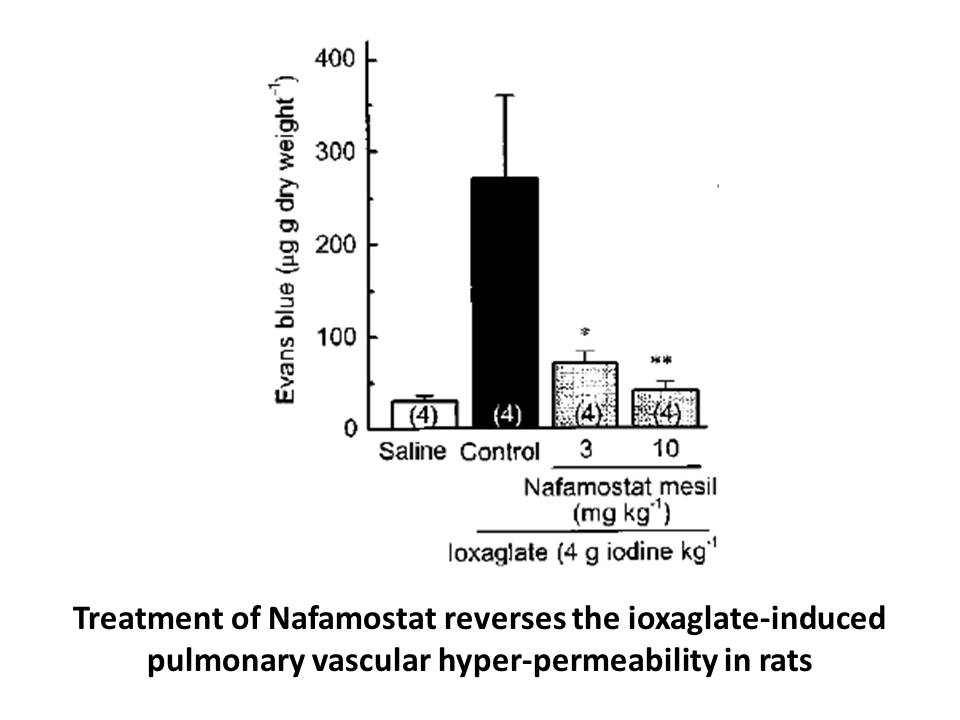
The structures of these compounds were confirmed from their spectral and micro analytical data. Based on [M + H] 367, molecular formula of was established as CHON. The IR spectrum of showed TMN 355 due to CO stretching at 1700 Cm & OH stretching at 3188 Cm indicating that compound contains one ca
-
Since innate immune responses represent the first defense
2023-09-01
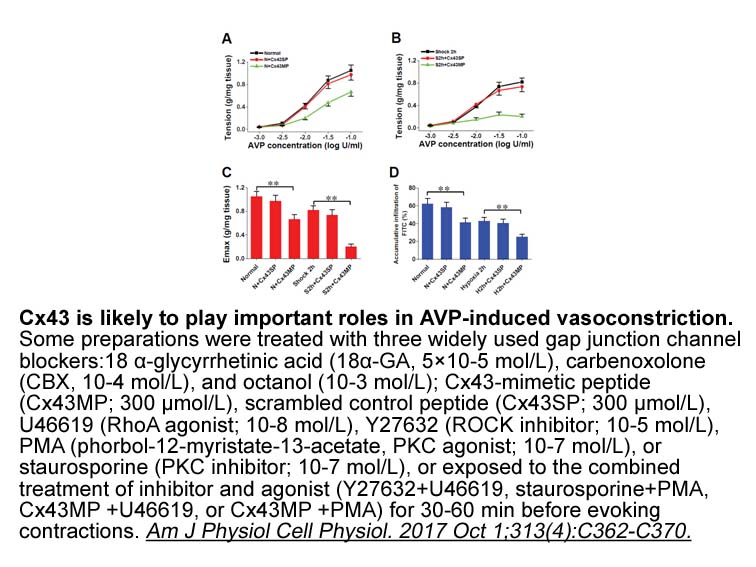
Since innate immune responses represent the first defense against incoming infectious microorganisms, they are particularly engaged during the early stages of viral infections. Many innate defense mechanisms rely on the engagement of pattern recognition receptors (PRRs) which are conserved, germ lin
-
Several genes related to metabolism post transcriptional reg
2023-09-01

Several genes related to metabolism, post-transcriptional regulation, chromatin structure, and signaling pathways are required for the sexual development and virulence of G. zeae (Baldwin et al., 2010, Bluhm et al., 2007, Ding et al., 2009, Han et al., 2007, Hou et al., 2002, Jenczmionka et al., 200
-
thapsigargin MMP is the most critical protease which is
2023-09-01
MMP9 is the most critical protease which is involved in the degradation of ECM. TIMP-1 is an important regulator in the synthesis and degradation of ECM [8,9]. Hepatic TIMP-1 expression significantly increases in patients with liver fibrosis [10]. Serum level of TIMP-1 expression is positively assoc
8534 records 321/569 page Previous Next First page 上5页 321322323324325 下5页 Last page