Archives
- 2026-08
- 2026-07
- 2026-06
- 2026-05
- 2026-04
- 2026-03
- 2026-02
- 2026-01
- 2025-12
- 2025-11
- 2025-10
- 2025-09
- 2025-03
- 2025-02
- 2025-01
- 2024-12
- 2024-11
- 2024-10
- 2024-09
- 2024-08
- 2024-07
- 2024-06
- 2024-05
- 2024-04
- 2024-03
- 2024-02
- 2024-01
- 2023-12
- 2023-11
- 2023-10
- 2023-09
- 2023-08
- 2023-07
- 2023-06
- 2023-05
- 2023-04
- 2023-03
- 2023-02
- 2023-01
- 2022-12
- 2022-11
- 2022-10
- 2022-09
- 2022-08
- 2022-07
- 2022-06
- 2022-05
- 2022-04
- 2022-03
- 2022-02
- 2022-01
-
It is worth mentioning that cordycepin as
2024-08-02
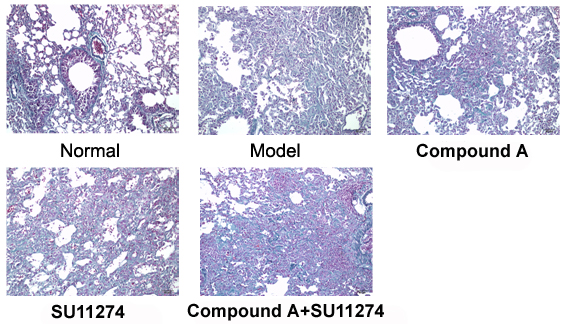
It is worth mentioning that cordycepin, as an adenosine analogue, is structurally similar to adenosine. A previous study has shown that the anti-apoptotic effects of cordycepin are partially dependent on the activation of A1R [16], and cordycepin increases theta waves power density via nonspecific a
-
sVRPs were more sensitive to
2024-08-02
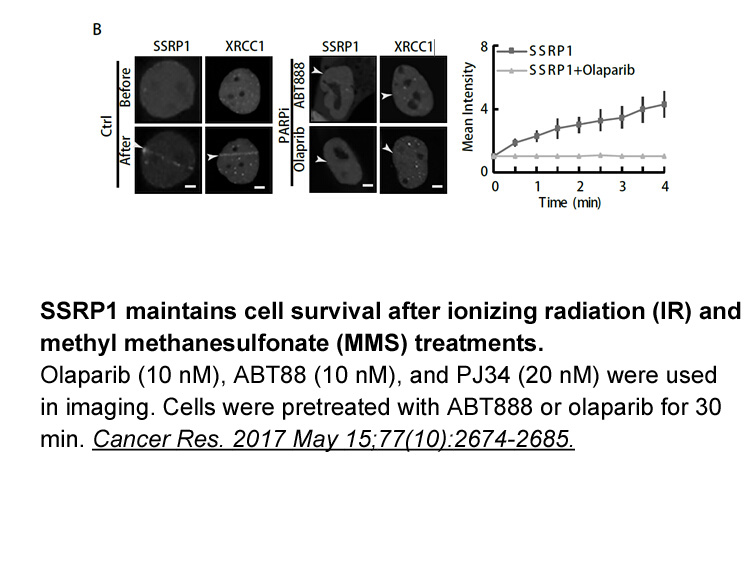
sVRPs were more sensitive to ABT-702 than MSRs. This result agrees with previous reports that the activation of A1 receptors more potently inhibits sVRPs than MSRs (Nakamura et al., 1997, Otsuguro et al., 2009). Importantly, sVRPs are thought to reflex C-fiber-evoked nociceptive transmission. Nocice
-
Introduction br This paper is a commentary on
2024-08-02
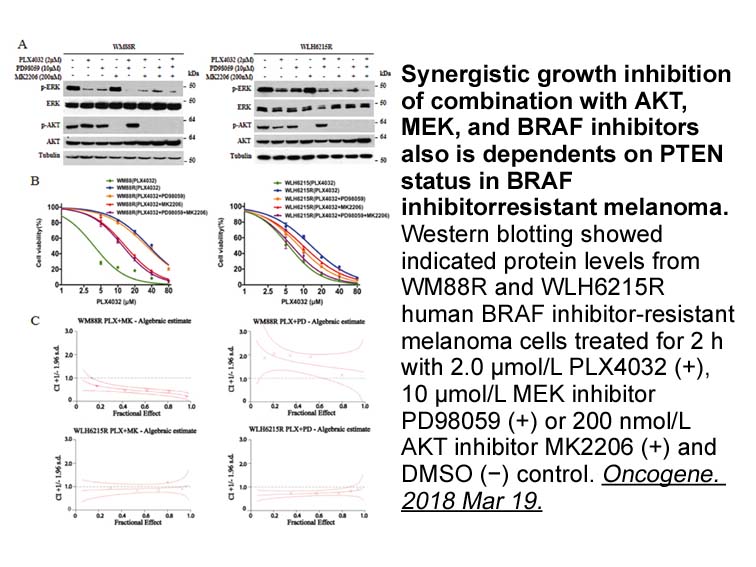
Introduction This paper is a commentary on the history of language among the Aché. What was language for the Aché prior to contact with Paraguayan society? How has the Aché language come to be endangered? Why is language such an important issue today? In exploring these questions I come to a slig
-
The most potent compounds within the current
2024-08-02

The most potent compounds within the current series of compounds were therefore , , , , and , with NSC 66811 australia possessing the best selectivity towards the lyase reaction in comparison to the hydroxylase reaction, indeed, this compound was found to possess an IC value of 1210nM against the 17
-
We demonstrate a role for
2024-08-02
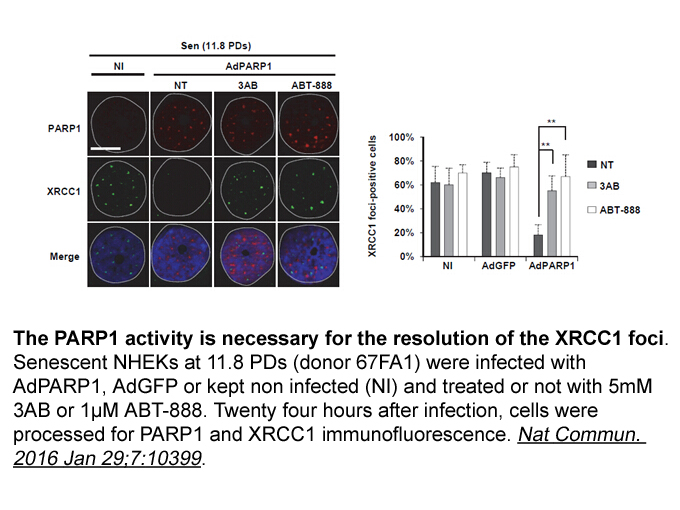
We demonstrate a role for low oxygen to regulate ATX mRNA in hepatocyte-derived HuH7 N-acetyl D-galactosamine and human liver slices, consistent with reports of increased ATX expression in a variety of tumours that are frequently hypoxic. Importantly, we show a positive association between elevated
-
Bioavailability has been defined as the amount of
2024-08-01

Bioavailability has been defined as the amount of a drug given by any route, other than intravenously, that reaches general circulation and is available at the site of action [86]. The low bioavailability observed with the initial intravaginal devices (16%) was attributed to the melting point of the
-
The physiologic conditions and signaling mechanisms that reg
2024-08-01
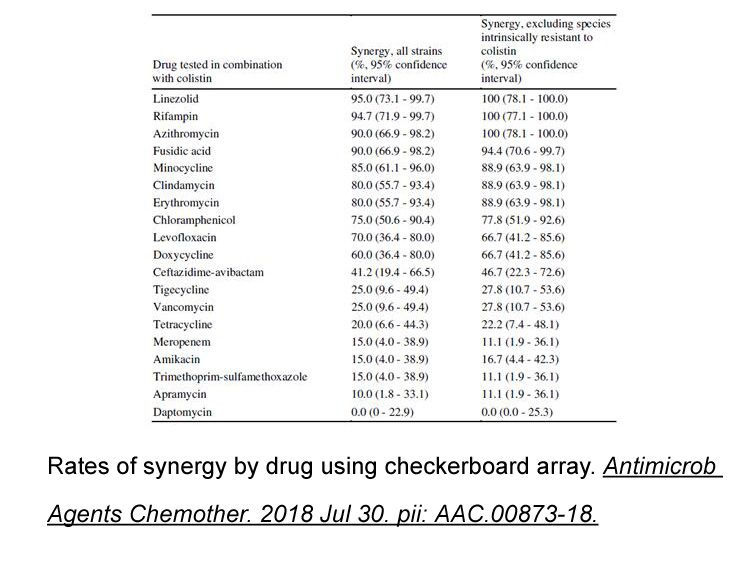
The physiologic conditions and signaling mechanisms that regulate apelin secretion and APLNR expression in malignant tissues appear to be multifactorial. Previous studies have shown that hyperplastic and neoplastic cholangiocytes secrete a variety of hormones, peptides, and growth factors that help
-
In addition understanding the relationship
2024-08-01
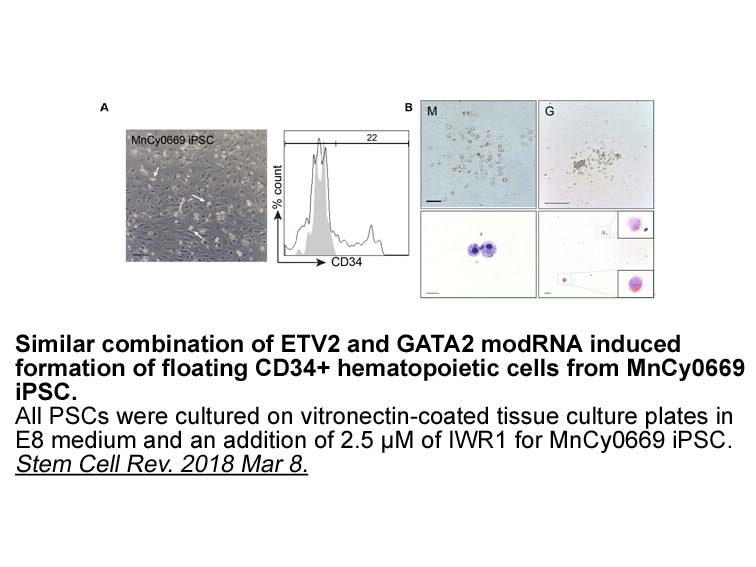
In addition, understanding the relationship between human metabolic processes and dietary antioxidant intake would provide opportunities for altering the diet to improve health (Prior, 2015). Prior et al. (2007) emphasized that excess reactive oxygen species, which occurred during the metabolism of
-
Despite clear evidence of a causative role
2024-08-01

Despite clear evidence of a causative role for Aβ in AD, Aβ-mediated toxicity alone is insufficient to explain all facets of fully manifested AD. Indeed, a recent report found that two familial AD mutations in PSEN1, PSEN-L435F and PSEN-C410Y, resulted in a dysfunctional protein that does not cleave
-
Our research group has been involved by many years in
2024-08-01

Our research group has been involved by many years in the synthesis of new 2,3-benzodiazepin-4-ones (e.g. 1, Fig. 1) and in the characterization of their mechanism of action.15, 16, 17 Within the development of these compounds, we demonstrated that an improvement of AMPAR antagonism by 2,3-benzodiaz
-
br Experimental procedures br Results
2024-08-01
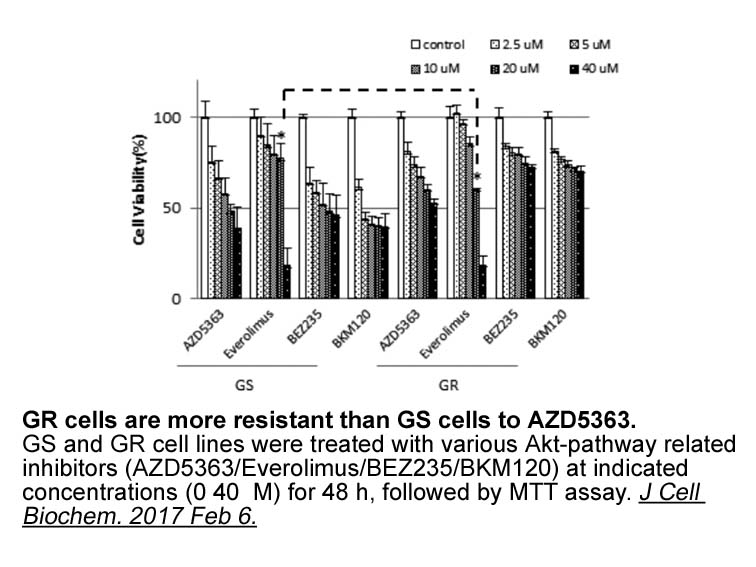
Experimental procedures Results Discussion Acknowledgments SRE and EBL contributed equally to this BIIB021 work. SRE, EBL, and MJT designed experiments, SRE, EBL, MCH, and AEI conducted experiments, SRE and EBL analyzed data, and EBL and MJT wrote the manuscript. We would like to thank D
-
Introduction Rapeseed oil production is very important
2024-08-01

Introduction Rapeseed oil production is very important not only because of its application in food industry, but also in petrochemical branch. Additionally, post-extraction meal and bagasse from oilseed rape are important sources of proteins in animal feedstuffs production. Oilseed rape (Brassica n
-
For hippocampal asymmetry two SNPs
2024-08-01
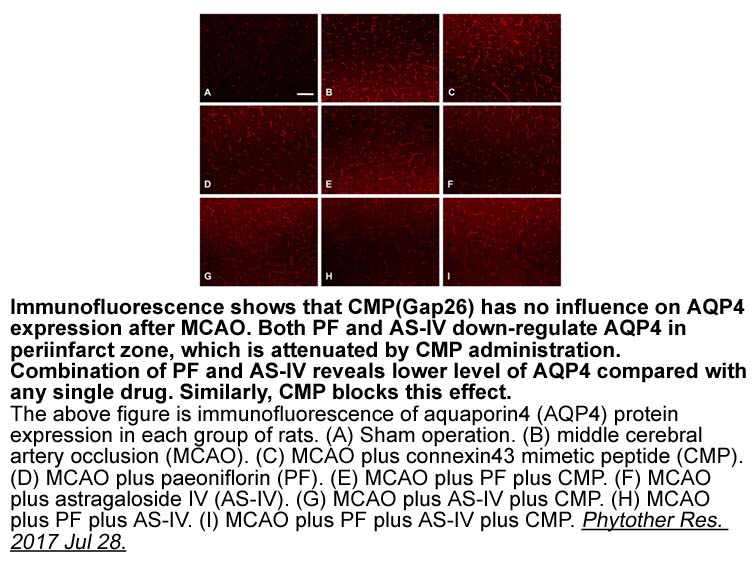
For hippocampal asymmetry, two SNPs (rs1476679 and rs4147929) showed significant interaction with diagnosis. They have an inverse effect on asymmetry, which is consistent with their different roles as preventative or risk loci in AD. rs1476679 is intronic in the ZCWPW1 gene, is a histone modificatio
-
imidazole australia One study has demonstrated that PUFA red
2024-08-01
One study has demonstrated that ω-3 PUFA reduced both cholesterol and caveolin-1 (a marker of raft), thereby displacing raft-associated signaling molecules from lipid raft [36]. Additionally, DHA treatment decreased the amount of lipid raft in the cell surface and displaced several lipid raft-associ
-
Adenosine can modulate neutrophil bactericidal
2024-08-01

Adenosine can modulate neutrophil bactericidal functions. A dual regulatory effect has been reported for adenosine on phagocytosis. Indeed, the activation of A1 receptors augments this process, while the stimulation of A2A receptors was found to reduce the phagocytic activity of neutrophils [89]. In
8535 records 139/569 page Previous Next First page 上5页 136137138139140 下5页 Last page